 Nutriframe
Educational Overview of Nutritional Supplements in Men's Everyday Nutrition
An informational resource exploring the context of nutritional supplements within daily dietary awareness.

Introduction to Nutritional Supplements
Nutritional supplements represent a category of products consumed alongside regular meals. They contain concentrated forms of nutrients, botanical extracts, or other dietary components. This resource provides an educational overview of how such products fit within the broader context of everyday nutrition.
The information presented here is intended solely for educational purposes. It explains terminology, categories, and general context without providing individual recommendations or health-related guidance.
Understanding the landscape of nutritional supplements involves familiarity with ingredient types, origin sources, labeling conventions, and the historical development of these products in dietary culture.
Definition and Scope of Supplements
Nutritional supplements are defined as products taken orally that contain dietary ingredients. These ingredients may include vitamins, minerals, amino acids, herbs, botanicals, enzymes, or metabolites.
The scope of supplements is broad and varies across different regulatory frameworks. In the European Union and Germany, such products fall under food law rather than pharmaceutical regulations. They are meant to complement, not replace, a varied diet.
This educational resource focuses on describing what these products are, rather than evaluating their role in individual health decisions. The scope includes understanding labels, ingredient origins, and common terminology used in the field.


Categories of Nutritional Supplements
Nutritional supplements can be grouped into several broad categories based on their primary components:
Vitamins and Minerals: These include essential micronutrients such as vitamin C, vitamin D, B-complex vitamins, calcium, magnesium, zinc, and iron. They are commonly found in multivitamin formulations or as single-nutrient products.
Amino Acids and Proteins: This category encompasses individual amino acids, protein powders derived from whey, soy, pea, or other sources, and related nitrogen-containing compounds.
Botanical and Herbal Extracts: Products containing plant-derived substances, including extracts from leaves, roots, seeds, or fruits. Examples include ginseng, green tea extract, turmeric, and various traditional botanical preparations.
Fatty Acids: Omega-3 fatty acids from fish oil, algae, or flaxseed, as well as omega-6 and other lipid-based nutrients, fall into this category.
Enzymes and Probiotics: Digestive enzymes and microbial cultures intended to be consumed for their presence in the diet.
Ingredient Origin and Sources
The ingredients found in nutritional supplements originate from diverse sources. Understanding these origins is part of general dietary awareness and label literacy.
Synthetic Sources: Many vitamins and minerals in supplements are produced through chemical synthesis. These are molecularly identical to their naturally occurring counterparts and are often used for consistency and cost-effectiveness.
Natural Extraction: Some ingredients are extracted from whole foods or plant materials. For example, vitamin E may be derived from vegetable oils, and certain minerals from mined deposits.
Fermentation: Certain vitamins, amino acids, and enzymes are produced through microbial fermentation processes, a method that has been used in food production for centuries.
Animal and Marine Sources: Ingredients such as omega-3 fatty acids are commonly sourced from fish, krill, or algae. Collagen peptides are derived from animal connective tissues.
This diversity in sourcing reflects the broad range of manufacturing practices and ingredient traditions in the supplement field.

Nutritional Supplements in Men's Daily Nutrition
This section provides an educational overview of common categories of nutritional supplements that are often discussed in the context of men's everyday dietary patterns. The information is descriptive and does not constitute recommendations.

Multivitamins and Minerals
Multivitamin formulations typically contain a combination of essential vitamins and minerals. In men's nutrition, these often include vitamin D, B vitamins, magnesium, and zinc. Such products are designed to provide a broad spectrum of micronutrients.

Protein and Amino Acids
Protein supplements, including whey, casein, plant-based proteins, and specific amino acids, are commonly used by individuals seeking to increase their protein intake. These products provide concentrated sources of dietary protein.
Omega-3 Fatty Acids
Omega-3 supplements, typically derived from fish oil or algae, contain EPA and DHA fatty acids. These are polyunsaturated fats that are part of discussions around dietary fat intake and cardiovascular nutrition awareness.

Historical Background of Supplement Use
The use of concentrated nutrient sources has historical roots that extend back centuries. Traditional practices included the consumption of specific foods, herbs, and preparations believed to support general well-being.
The modern supplement industry emerged in the 20th century following the discovery of vitamins and essential nutrients. Early products focused on preventing deficiency states, such as vitamin C for scurvy or vitamin D for rickets.
Over time, the market expanded to include a wider range of products targeting diverse nutritional interests. Regulatory frameworks evolved to distinguish supplements from pharmaceuticals, emphasizing their role as dietary additions rather than medical interventions.
Today, nutritional supplements are widely available and integrated into many people's daily routines, reflecting both historical traditions and contemporary dietary culture.
Everyday Dietary Context
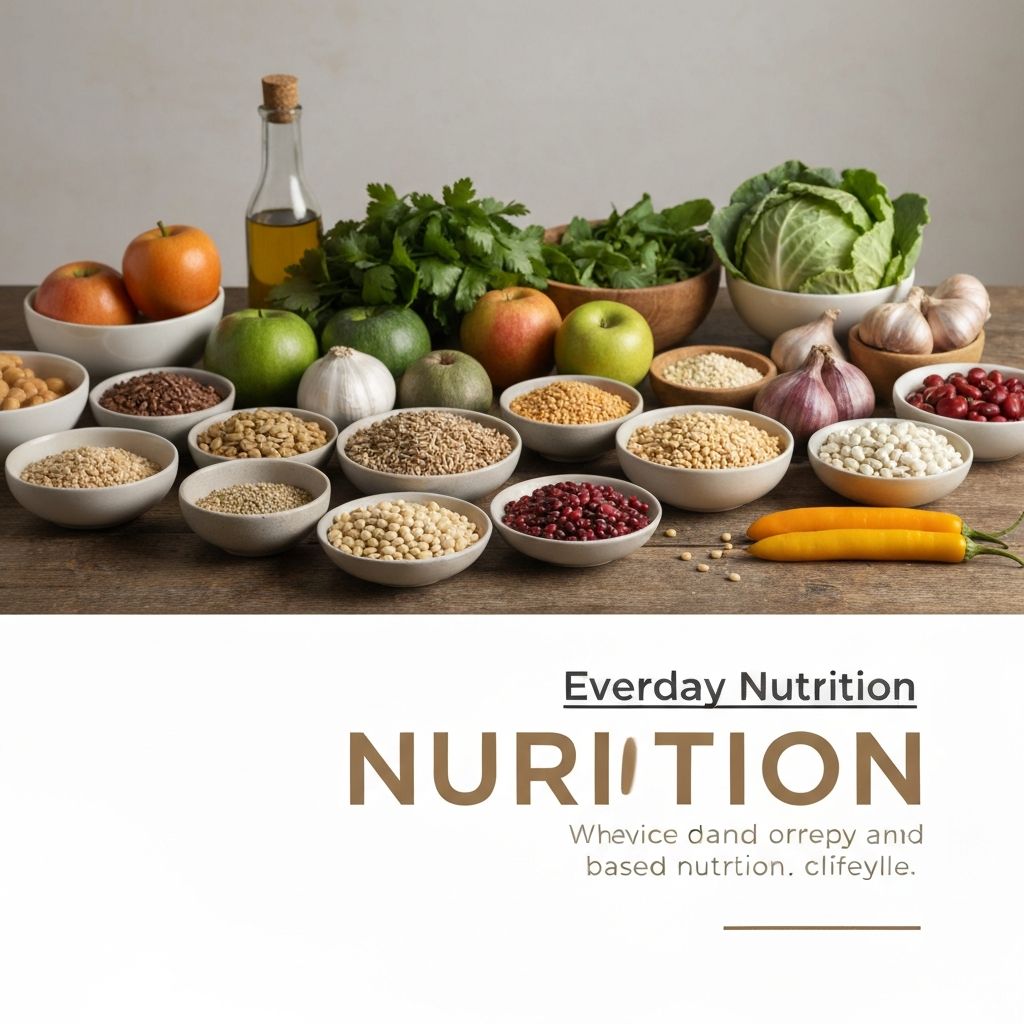
Nutritional supplements exist within the broader context of everyday eating patterns. Most nutritional guidelines emphasize obtaining nutrients from a varied diet composed of whole foods, including fruits, vegetables, whole grains, legumes, nuts, seeds, and animal or plant-based proteins.
Supplements are often discussed in situations where dietary intake may be limited due to lifestyle factors, food preferences, or specific life stages. For example, individuals following restrictive diets, older adults, or those with limited sun exposure may consider vitamin D supplementation as part of their dietary awareness.
It is important to recognize that supplements are not substitutes for balanced meals. They are additional sources of specific nutrients that may complement an individual's overall dietary pattern.
Understanding the role of supplements in everyday nutrition involves considering one's total diet, food choices, and the diversity of nutrient sources consumed regularly.


Cultural Perspectives in Germany and Europe
In Germany and across Europe, nutritional supplements are regulated as food products under EU legislation. The European Food Safety Authority (EFSA) oversees safety assessments and permitted health claims, ensuring that products meet specific standards.
Cultural attitudes toward supplements vary. In some European countries, there is a strong emphasis on obtaining nutrients from traditional diets, while in others, supplementation is more commonly integrated into daily routines.
Germany has a long tradition of natural health products, including herbal preparations and homeopathic remedies. This cultural context influences how nutritional supplements are perceived and used within the population.
European regulations require clear labeling, ingredient transparency, and restrict the types of claims that can be made about supplements. This framework aims to provide consumers with accurate information while preventing misleading statements.
Understanding Labels and Terminology
Reading and understanding supplement labels is an essential aspect of dietary literacy. Labels provide information about the product's ingredients, quantities, and intended use.
Ingredient List: This section lists all components in descending order by weight. It includes active ingredients as well as fillers, binders, and coatings.
Nutritional Information: The label displays the amount of each nutrient per serving, often expressed as a percentage of the daily reference intake.
Serving Size: This indicates the recommended amount to consume per occasion, which may differ from the total content of the package.
Claims and Statements: In Europe, only pre-approved health claims may be used. These claims are based on scientific assessments and are limited in scope.
Allergen Information: Labels must declare common allergens such as soy, milk, fish, or tree nuts.
Familiarity with these elements helps individuals make informed choices when selecting supplements as part of their dietary routine.


Educational Notes on Balance and Variety
A central principle in nutritional education is the importance of balance and variety in the diet. This principle applies to both whole foods and supplemental sources of nutrients.
Consuming a diverse range of foods ensures exposure to a wide spectrum of vitamins, minerals, phytonutrients, and other beneficial compounds. No single food or supplement can provide all necessary nutrients in optimal proportions.
When considering supplements, it is useful to reflect on one's overall dietary pattern. Are there specific nutrients that may be less represented in one's usual meals? Is there a reliance on processed foods that may limit micronutrient intake?
Supplements can serve as an adjunct to a varied diet, but they function best within a context of thoughtful food choices. Educational resources emphasize that supplementation is one component of a broader approach to dietary awareness, not a standalone solution.
Balance also involves moderation. More is not always better, and excessive intake of certain nutrients can have unintended consequences. This is why understanding labels and recommended intakes is valuable.
Frequently Asked Questions
Limitations and Context
This website provides educational information about nutritional supplements within the context of men's everyday nutrition. All content is intended solely for informational purposes.
The materials presented here do not constitute medical advice, health recommendations, or individual guidance. They do not replace consultations with qualified healthcare providers or registered dietitians.
Nutritional needs and dietary choices vary widely among individuals. What is appropriate for one person may not be suitable for another. This resource does not endorse specific products, brands, or approaches.
The information is based on general knowledge about nutritional supplements, their categories, ingredients, and regulatory context. It does not make claims about outcomes, benefits, or effects on health.
Readers are encouraged to make informed decisions based on their own circumstances, preferences, and in consultation with appropriate professionals when necessary.
Continue Exploring
Learn more about the educational context of nutritional supplements and everyday dietary awareness.
Read more